Celibacy Meaning: History and Obligation in the Catholic Church
The term
celibacy, derived from the Latin word
coelebs meaning "unmarried," refers to the state of voluntarily abstaining from marriage and sexual relations. While often associated primarily with religious life, especially within the Roman Catholic Church, its broader
Celibatair Betekenis encompasses any individual who chooses to remain unmarried. In the context of the Catholic Church, however, celibacy takes on a specific and profound significance, representing a dedicated commitment to a spiritual path, a tradition deeply woven into its historical fabric and ritual practices. This article will delve into the comprehensive meaning, the historical evolution, and the ongoing debate surrounding celibacy, particularly its obligatory nature for clergy within the Catholic tradition.
Unpacking the "Celibatair Betekenis": What is Celibacy?
At its core, the
celibatair betekenis in a religious context signifies a conscious choice to live an unmarried life, consecrated to God. This isn't merely about abstaining from sexual activity; it's about a holistic dedication, an undivided focus on spiritual service and devotion. For many, it's seen as a radical following of Christ, who himself lived a celibate life, and a witness to the "kingdom to come," where earthly marriage will no longer be necessary.
It's crucial to distinguish between celibacy and chastity.
Chastity is the virtue of integrating one's sexuality within the whole person, according to one's state of life. Married individuals are called to chastity within their marriage, while celibate individuals are called to chastity through complete abstinence. Thus, while all celibates are called to be chaste, not all chaste people are celibate. Celibacy is a particular form of chastity, chosen for specific spiritual reasons.
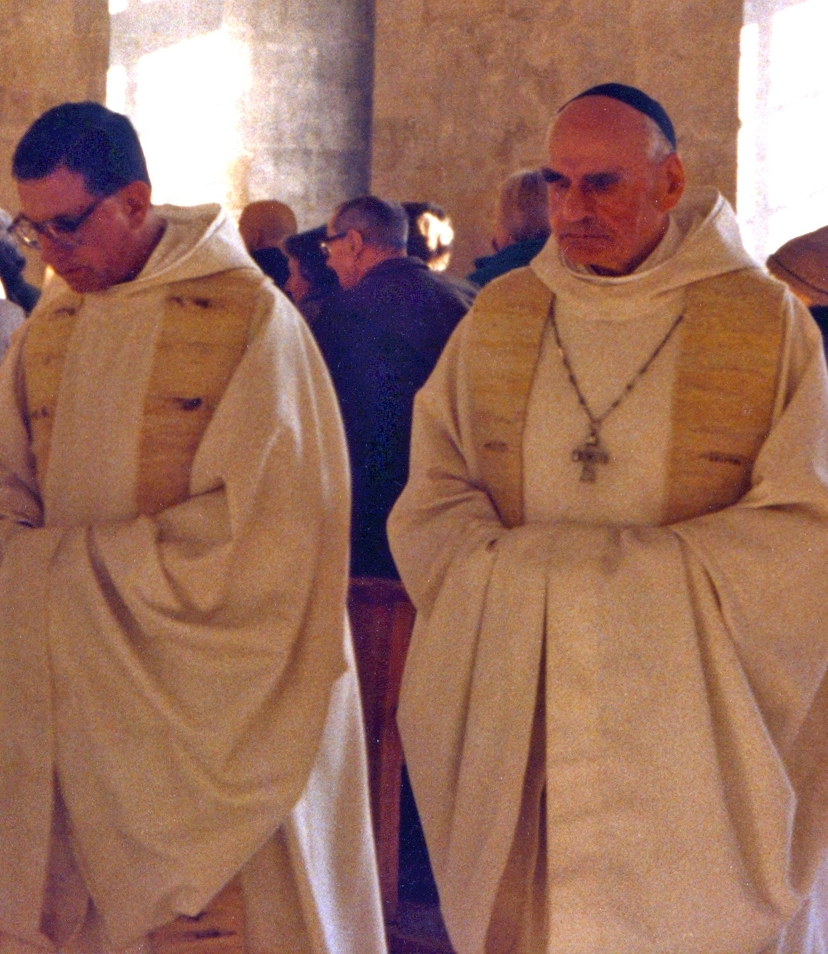
In the Roman Catholic Church, celibacy is an intrinsic requirement for specific roles. Bishops, priests, deacons (in the Latin Rite if ordained as transitional deacons), and members of religious orders (monks, nuns, friars, sisters) are bound by this commitment. It represents a living symbol, a tangible expression of total availability to God and to the Church's mission.
The Historical Evolution of Celibacy in the Catholic Church
The practice of celibacy did not emerge overnight as a mandatory requirement; rather, it evolved over centuries, shaped by theological understanding, cultural shifts, and practical considerations. The New Testament itself does not explicitly mandate celibacy for all clergy. Instead, it offers a preference, notably articulated by Saint Paul. In his letters, Paul suggests that remaining unmarried allows for "undivided devotion to the Lord" (1 Corinthians 7:32-35), freeing an individual to serve God without the worldly anxieties and responsibilities that come with marriage and family life. This Pauline preference became a foundational spiritual inspiration for many early Christians.
*
Early Voluntary Vows (2nd Century Onward): Inspired by figures like Paul and by monastic traditions emerging in the desert, many individuals, both clergy and laypeople, began to voluntarily take vows of celibacy. This was seen as a path to greater sanctity and a more intense spiritual life.
*
Council of Elvira (c. 300 AD): One of the earliest formal legislative steps regarding clerical celibacy was taken at the Council of Elvira in Spain. This council decreed that bishops, priests, and deacons who had children after ordination should abstain from marital relations. This marked a significant shift from voluntary preference to ecclesiastical imposition, albeit initially focused on sexual abstinence within marriage rather than prohibiting marriage itself.
*
Prescription for All Clergy (6th and 7th Centuries): Over the next few centuries, the push for clerical celibacy gained momentum across the Western Church. Synods and councils increasingly prescribed it for all clergy, extending the requirement beyond those in higher orders. The rationale often included the desire to elevate the clergy's spiritual status, distinguish them from the laity, and prevent the inheritance of Church property by clerical offspring.
*
Full Implementation (11th and 12th Centuries): Despite earlier decrees, enforcement remained inconsistent for centuries. It was during the Gregorian Reforms of the 11th century and definitively solidified by the First and Second Lateran Councils (1123 and 1139 AD) that mandatory celibacy for all priests in the Latin Rite was formally and effectively implemented throughout the Western Church. These councils declared clerical marriages invalid, aiming to root out simony (the selling of church offices) and nepotism, and to ensure the spiritual purity and undivided loyalty of the clergy to the Church.
This long historical trajectory underscores that mandatory celibacy is an ecclesiastical discipline, not a divine law immutable since the time of Christ. This distinction is crucial in understanding the ongoing debates surrounding the practice.
Celibacy in Practice: Obligation and Opposition
Today, in the Roman Catholic Latin Rite, mandatory celibacy remains a cornerstone of priestly formation and religious life. Bishops, priests, transitional deacons, and those in consecrated life (monks, nuns, religious brothers, and sisters) are bound by this obligation. Permanent deacons, however, may be married before ordination, though they cannot marry after ordination if they are single. The Eastern Catholic Churches, in communion with Rome, have a different tradition, allowing married men to be ordained to the priesthood, though bishops are typically drawn from the celibate clergy.
The reasons for upholding mandatory celibacy within the Latin Rite are deeply theological and practical:
*
Undivided Service: Celibacy allows clergy to be fully available to God and the Church, free from the demands and concerns of family life.
*
Sign of the Kingdom: It is seen as an eschatological sign, pointing to the future heavenly reality where there will be no marriage.
*
Spiritual Fatherhood: Priests are called to spiritual fatherhood, serving the entire parish family rather than a personal family.
*
Purity and Sacrifice: It is viewed as a sacrifice offered to God, fostering greater spiritual purity and identification with Christ.
Despite these profound theological underpinnings, the mandatory nature of celibacy for priests has faced continuous opposition throughout its history, and this opposition persists strongly today. Critics often point to several challenges:
*
Priest Shortage: Many argue that mandatory celibacy contributes significantly to the shortage of priests, especially in the Western world, as it dissuades potential vocations.
*
Human Nature: Opponents highlight that celibacy goes against natural human inclination for companionship and family, leading to loneliness, psychological strain, and in some tragic cases, moral failures.
*
Historical Precedent: The fact that it is an ecclesiastical discipline, rather than a divine mandate, leads many to believe it can and should be changed.
*
Modernity and Cultural Relevance: In an increasingly secular and individualized world, the concept of mandatory celibacy can seem out of step or difficult to understand for many.
*
Sexual Abuse Scandals: While not a direct cause, some argue that the culture of mandatory celibacy and the perceived isolation it fosters may have indirectly contributed to environments where sexual abuse could be concealed or enabled.
These arguments fuel ongoing discussions within the Church, with calls for optional celibacy or the ordination of *viri probati* (proven married men) becoming more frequent.
Celibacy Beyond Catholicism: A Comparative Look
While the Roman Catholic Church is widely known for its mandatory celibacy, it's important to understand that other Christian denominations and world religions approach the concept differently.
The
Mandatory Celibacy: Catholic vs. Reformed Church Views reveals a stark contrast. In the Reformed Church (and indeed, most Protestant denominations), clergy are not only permitted but often encouraged to marry. The Protestant understanding of marriage emphasizes it as a sacred institution, a blessing from God, and a proper state for all individuals, including ministers. They explicitly deny that celibacy is a "higher state of life" as such. While some Protestant traditions might have specific roles for unmarried individuals, the general expectation is that marriage is a natural and holy path for clergy. Only in some very specific cases, like certain leadership roles in some denominations, might there be a preference for celibate individuals (e.g., as the reference states, only unmarried individuals can become bishops in some Reformed traditions, though this is not universal).
Eastern Orthodox Churches also allow for married priests, provided they are married *before* ordination to the diaconate. Bishops, however, must be celibate. This highlights a diversity of practices even within apostolic traditions.
Outside of Christianity, celibacy is practiced in various forms. Monastic traditions in Buddhism (monks and nuns) and Jainism often include vows of celibacy, seen as essential for spiritual liberation and detachment from worldly desires. Hinduism has its sannyasins (renunciants) who embrace celibacy. This demonstrates that the decision to live a celibate life, for spiritual reasons, is a cross-cultural and trans-religious phenomenon.
The Psychological Dimension: Dreaming of Celibacy
Beyond its religious and historical context, the concept of celibacy can also appear in our subconscious minds, particularly through dreams. As the reference suggests, dreaming about being celibate might hold a significant psychological interpretation: it often represents a deeper "fear of intimacy" or an attempt to "block out one's sexual energy."
Dreaming of Celibacy: Unpacking Your Fear of Intimacy can be a powerful experience, prompting introspection. If you find yourself dreaming of a celibate life, it might be worth exploring:
*
Fear of Vulnerability: Intimacy, both emotional and physical, requires vulnerability. Are you subconsciously avoiding situations that demand this openness?
*
Control and Self-Protection: Blocking sexual energy or intimacy in a dream could symbolize a desire to maintain control over your emotions, protecting yourself from potential hurt or rejection.
*
Conflict Between Desires: Such dreams might indicate an internal conflict between your innate desires for connection and a conscious or subconscious fear of committing to or engaging in deep relationships.
*
Avoiding Responsibility: Intimate relationships bring responsibilities. Are you feeling overwhelmed by commitment in your waking life, leading your subconscious to seek a path of avoidance?
*
Spiritual vs. Earthly Desires: For some, the dream could reflect a struggle between spiritual aspirations and worldly desires, echoing the historical debates on celibacy itself.
Understanding these dream motifs isn't about literally adopting celibacy, but rather about recognizing underlying emotional patterns and working through them to foster healthier relationships with yourself and others.
Conclusion
The
Celibatair Betekenis is multifaceted, embodying a profound spiritual commitment, a rich historical journey, and a subject of ongoing debate and personal reflection. In the Roman Catholic Church, it remains a pillar of clerical discipline, a tradition shaped by centuries of theological development and practical considerations. While offering a powerful witness to undivided devotion, its mandatory nature continues to provoke discussion and calls for reform, especially when contrasted with the practices of other Christian denominations. Beyond its ecclesiastical implications, the concept of celibacy touches on deeply personal psychological themes, reminding us that our internal lives often reflect our conscious and subconscious relationships with intimacy and commitment. As the Church navigates the complexities of the modern world, the role and future of mandatory celibacy will undoubtedly remain a significant topic of discernment and discussion.